

Is Vietnam Safe for Tourists? Scams, Traffic, Health and Emergency Contacts
Vietnam Travel TipsBy Pham Phuong Anh
Vietnam is generally safe for visitors, and the real risks are petty theft, scams, traffic and a few health basics. This guide sums up what the US, UK, Canada and Australia advise, how to avoid common tricks, how to cross roads and ride safely, what to do about water and mosquitoes, and who to call in an emergency.
Table of contents
Vietnam Travel Safety: The Short Answer
Vietnam is generally a safe destination for visitors who take sensible precautions. Petty theft, scams, road traffic, health risks and seasonal weather deserve particular attention. The risks vary by destination, activity and time of year.
- Crime: The US State Department says violent crime against foreigners is rare, but pickpocketing, bag snatching and theft do happen in crowded areas and at tourist sites.
- Scams: Many are about money rather than physical danger: fake ride-hailing drivers, overcharging and menus without prices. A few habits reduce the risk.
- Traffic: Official advice stresses road safety. Motorbikes are everywhere, so crossing the road and renting a bike need real thought.
- Health: Routine entry rules do not currently require a vaccination certificate for most visitors, but tap water is not considered safe to drink, dengue circulates, Hanoi's winter air can be poor and hospitals often expect payment up front.
- Emergencies: Save 112 (national emergency hotline), 113 (police), 114 (fire and rescue) and 115 (ambulance). Ask a Vietnamese speaker to help if possible, but do not delay calling in an emergency.
- Insurance: Take a policy that covers medical evacuation and the activities you plan, including motorbikes and boat trips.
Last checked: 27 November 2026. Government advice, fines and health notices change, so open the official pages linked below before you travel.
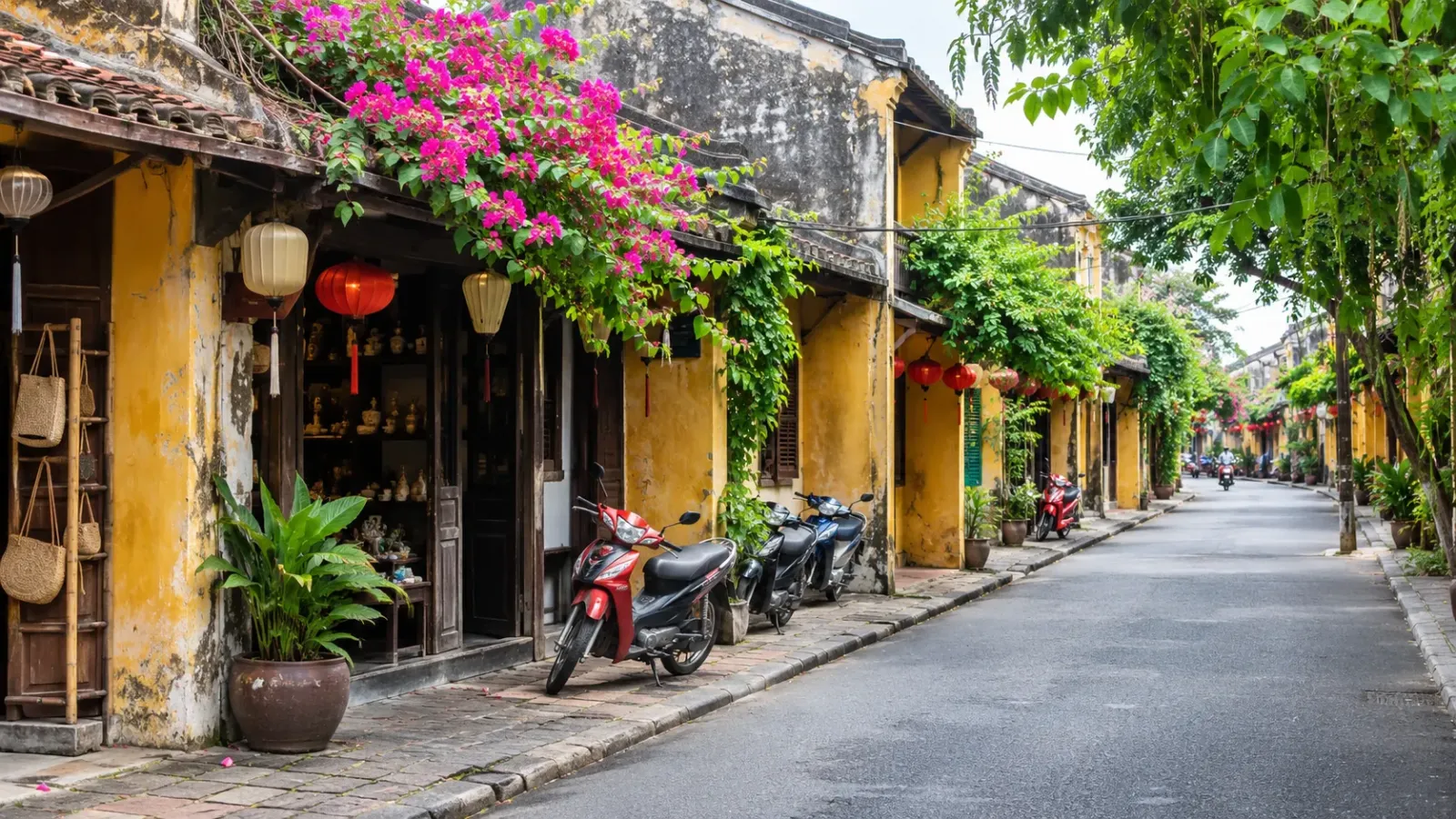
Common travel risks include theft, overcharging and busy roads; preparation can reduce your exposure.
What Governments Say About Travelling to Vietnam
The US, Canada and Australia currently advise normal precautions in Vietnam. The UK provides issue-specific travel advice rather than a directly comparable numbered rating. Their warnings are specific, so they are worth a read.
| Government | Overall rating | What it asks visitors to watch |
|---|---|---|
| United States | Level 1, "exercise normal precautions"; advisory issued 24 June 2026 | Petty crime, chaotic traffic and motorbike accidents, unexploded ordnance, strict drug laws |
| Canada | "Take normal security precautions", the lowest of four levels; updated 19 October 2026 | Pickpocketing, card and ATM fraud, road conditions, dengue, typhoon and flood season |
| United Kingdom | Detailed advice pages; no numbered level | Petty theft, bag snatching, poor road-law compliance, boat safety, drug laws and drink spiking |
| Australia | "Exercise normal safety precautions"; updated 18 November 2026 | Traffic and motorbike accidents, motorbike licence rules, taxi scams, drug penalties |
Petty theft and road safety receive particular attention, although more serious crime can occur. Check Vietnamese law, your government's travel advice and your insurer's policy conditions before driving or booking an activity.
Scams and Petty Theft: What to Watch For
Money-related scams and petty theft are recurring concerns in official travel advice. The table below lists common situations and ways to reduce the risk.
| Situation | What happens | What to do |
|---|---|---|
| Airport pickup | Someone in the arrivals hall claims to be your app driver or offers a "taxi", then charges several times the normal fare | Book through the app yourself, then match the plate and driver name before you get in, or use the official taxi counter |
| Street taxis | A fast meter, a detour or no meter at all | Use a reputable metered taxi or verified ride-hailing booking; check the starting fare and ask about any additional charges |
| Bag and phone snatching | A passing motorbike rider grabs a bag or phone | Keep valuables away from the road and out of sight; let go rather than risk injury if someone tries to snatch your bag |
| Pickpockets | Theft in crowds, markets, buses and festival streets | Use zipped pockets or a front-worn bag, and keep spare cash secure at your accommodation |
| Prices appear later | A menu, cyclo ride or street snack with no price, then a high bill | Ask for the price first, confirm it in dong and photograph the menu |
| Online offers | Fake hotel, tour or ticket pages, or pressure to buy "vacation ownership" or travel-point cards | Book with businesses you can verify and walk away from anything that needs a decision on the spot |
| Look-alike government sites | Fake visa or passport-delivery sites charge extra or ask for ID uploads | Use only official government sites; see our visa and entry requirements guide |
Airport and Taxi Scams
Be particularly alert to unsolicited transport offers at airports. In June 2025, police at Noi Bai Airport in Hanoi acted against a couple who posed as a ride-hailing service and charged a visitor VND 900,000 for a trip that normally costs about VND 367,000. The fare was specific to that journey, not a current airport tariff.
The US State Department advises checking that the vehicle and driver match the app before you get in, and not accepting a ride from someone who says they work for your driver. The UK advises using metered taxis from larger firms or the Grab app, and being wary of free bus transfers to hotels unless you arranged them in advance.
A few checks can reduce the risk at airports. Collect your bag, use your mobile data or a trusted airport Wi-Fi network, order the ride yourself and follow the pickup instructions in your app. Decline unsolicited ride offers, including from anyone who approaches you inside the terminal. Fares in the app can change, so treat any figure in a news report as a rough guide and check the price on your screen.
Bag Snatching and Pickpockets
Theft is the most common crime visitors report. The UK advises carrying bags in front of you or on the side away from traffic, and handing over valuables rather than risking injury if someone grabs them. Canada notes that pickpocketing and snatching are most common in big cities, in tourist areas and around Tet, and the UK says theft rises around festival periods.
The practical habits are the same everywhere: do not walk along a busy road with your phone in your hand, wear a zipped bag and keep valuables out of sight. Keep your passport secure when you do not need it and carry paper and digital copies. Take the original when required, for example for domestic flights or hotel check-in, and never leave it as rental collateral, which the UK specifically warns against. If you are visiting at Tet, our Tet 2027 guide explains what is open and how to plan around the holiday.
Price Tricks, Tours and Online Offers
Overcharging usually follows the same pattern: a service with no stated price. In September 2025, an Australian family paid VND 1.2 million after a cyclo tour in Hanoi's Old Quarter. Agree the price, the route and the length of the ride before you sit down, and say whether it is per person or for the group. The drivers later refunded the full amount after police intervened.
Online booking scams are a recurring warning. In August 2026, Ho Chi Minh City's tourism department and police signed a 2026–31 agreement to step up inspections, citing aggressive solicitation, price gouging and what local authorities described as increasingly sophisticated scams involving online tour and hotel bookings. Check that a business has a real address, a working phone number and clear terms. Pay through a method that gives you a receipt, and be cautious about entering card details on public Wi-Fi. Our Help Centre explains how booking works with us.
Money is another weak spot. Change cash only at banks or licensed counters, and read the price in dong before you pay, as set out in our guide to money in Vietnam. The US also warns about romance scams and dating-app risks, including robbery. Meet in public places and never send money to someone you have only met online.
Finally, drinks. Avoid unlabelled or unregulated alcohol and keep your drink in sight. Reputable venues and sealed products can reduce some risks, but the UK reports that methanol poisoning has also followed drinks bought in licensed bars, shops and hotels in tourist areas. You cannot reliably detect methanol by taste or smell. Seek urgent medical help if you feel unusually unwell after drinking, especially if you develop vision problems, vomiting or severe dizziness. Canada also warns that drinks and snacks can be drugged.
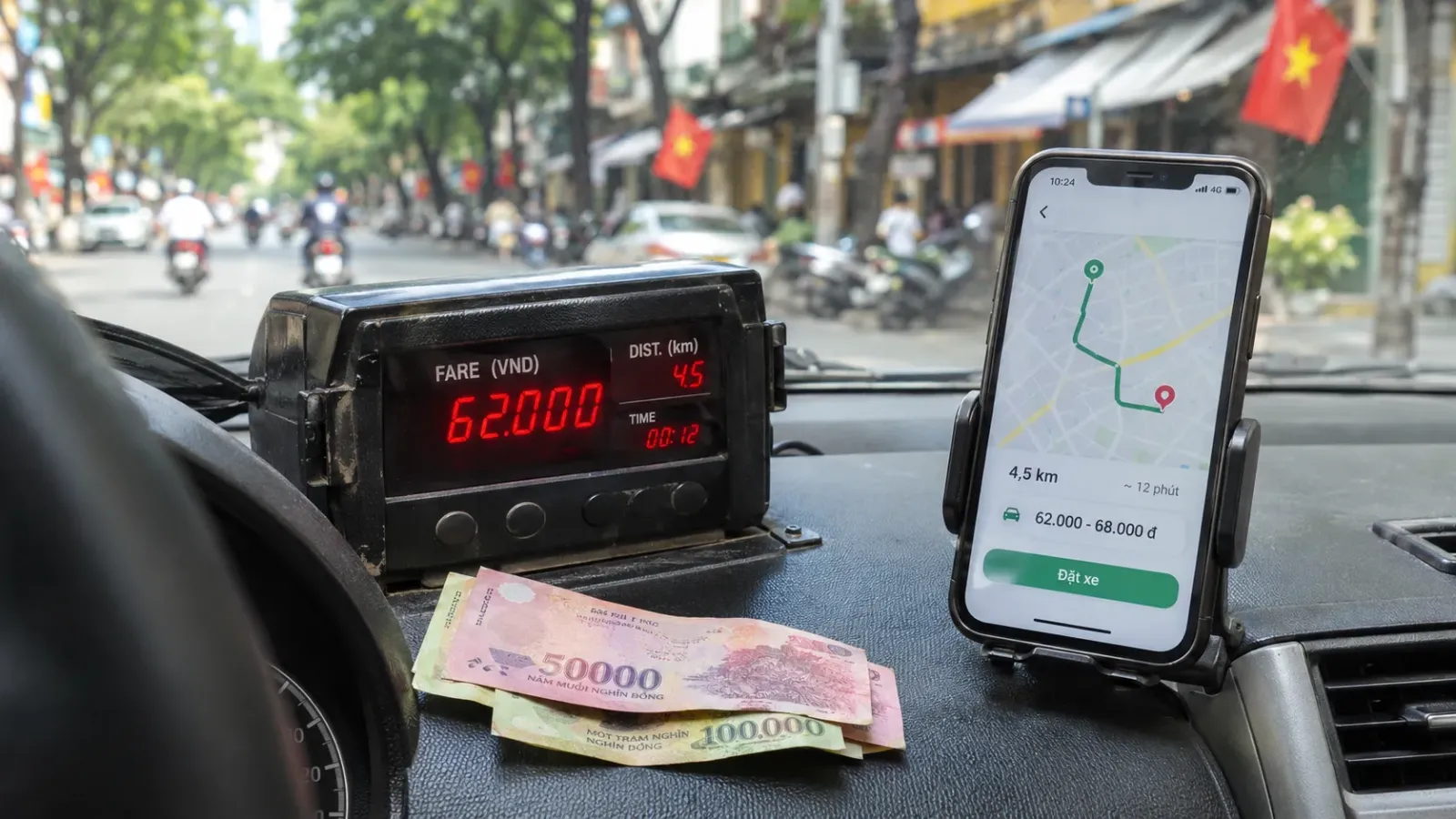
Checking your ride details and agreeing the fare in advance can reduce the risk of overcharging.
Traffic and Getting Around Safely
Traffic is where official advice is most consistent. The US calls traffic chaotic and says motorbike accidents are a leading safety concern. The UK says compliance with road rules is poor. Australia warns that the number of travellers in serious motorcycle accidents is increasing and that inter-city buses have a high accident rate.
Crossing the Street
Crossing a road in Vietnam can be challenging because drivers may not give way and traffic can approach from unexpected directions. Use a pedestrian bridge or a controlled crossing where possible. Look both ways, wait for a genuinely safe gap and keep watching traffic as you cross. Do not assume that a driver has seen you or will stop. If a vehicle approaches dangerously, prioritise your safety rather than trying to maintain a fixed pace.
- Look both ways even on one-way streets, because motorbikes sometimes ride the wrong way or on the pavement.
- Hold children's hands, and cross with a local pedestrian or a group if you can.
- Do not use a phone or camera while crossing, and seek help if a crossing feels unsafe.
Taxis and Ride-Hailing
For car journeys, use a reputable metered taxi or verified ride-hailing booking, and check the plate and driver against the app each time. Our guide to getting around Vietnam compares flights, trains, buses and city transport leg by leg.
Riding a Motorbike: Licences, Helmets and Insurance
Renting a motorbike carries real risk, and official advice stresses it. Before you consider it, check four things.
- Licence. For motorcycles that require a licence, Vietnam generally accepts a valid 1968 Vienna Convention International Driving Permit (Article 57 of Law 36/2024/QH15) together with the matching national motorcycle licence, or another legally recognised licence. A car-only licence is not enough. The UK asks for your national licence plus a 1968 permit, while US, Canadian and Australian authorities advise that licences and permits issued by their countries are not accepted and that drivers need a valid Vietnamese licence. Check the vehicle category and your eligibility with Vietnamese authorities before renting. If you cannot meet the requirements, use a car with a driver or another transport option. Our transport guide covers the licence question in more detail.
- Helmet. Helmets are required for riders and passengers. Not wearing a properly fastened helmet is an offence and can be fined.
- Alcohol. Canada describes Vietnam's policy on drink-driving as zero tolerance.
- Insurance. Make sure the vehicle has compulsory third-party liability insurance, and check in writing that your own travel policy covers motorbike riding and that your licence meets its conditions. Australia notes that insurers may deny claims if you are unlicensed or hold the wrong class of licence.
If you are in an accident, the US says you must stop, help anyone injured, stay at the scene and report to the police. The UK warns that accidents can lead to criminal charges, compensation claims and a possible travel ban during the investigation, and Australia says this can apply regardless of fault. The US also says night driving is risky, especially on rural highways, and that motorcycles are dangerous on steep, winding mountain roads. If you want the scenery without riding a motorbike yourself, see our guide to the Hue to Hoi An route over the Hai Van Pass, which compares riding yourself with a driver or guided ride. A car or guide can reduce some risks but never removes them.
Night Buses, Boats and Tours
The UK says bus and coach crashes are not uncommon and are more likely at night, when drivers may be tired. On boats, ask your guide about the boat's safety record and registration, expect a safety briefing and make sure you are given a life jacket before you set off. The UK also warns that some overnight cruises have suffered overcrowding and poor safety standards, and that some boats have sunk quickly and without warning. Do not board a boat that appears overloaded or poorly maintained, wear a properly fitted life jacket when appropriate and follow the crew's instructions. For swimming and snorkelling, respect beach warning flags and strong-current warnings. For trekking or caving, use a reputable operator, check weather and equipment, and confirm that your insurance covers the activity. In hot weather, drink safe water regularly and take breaks in the shade. Our guide to Ha Long Bay day trips and overnight cruises explains how to choose, and the Nha Trang island-hopping guide and Cham Islands guide cover boat safety on those routes.
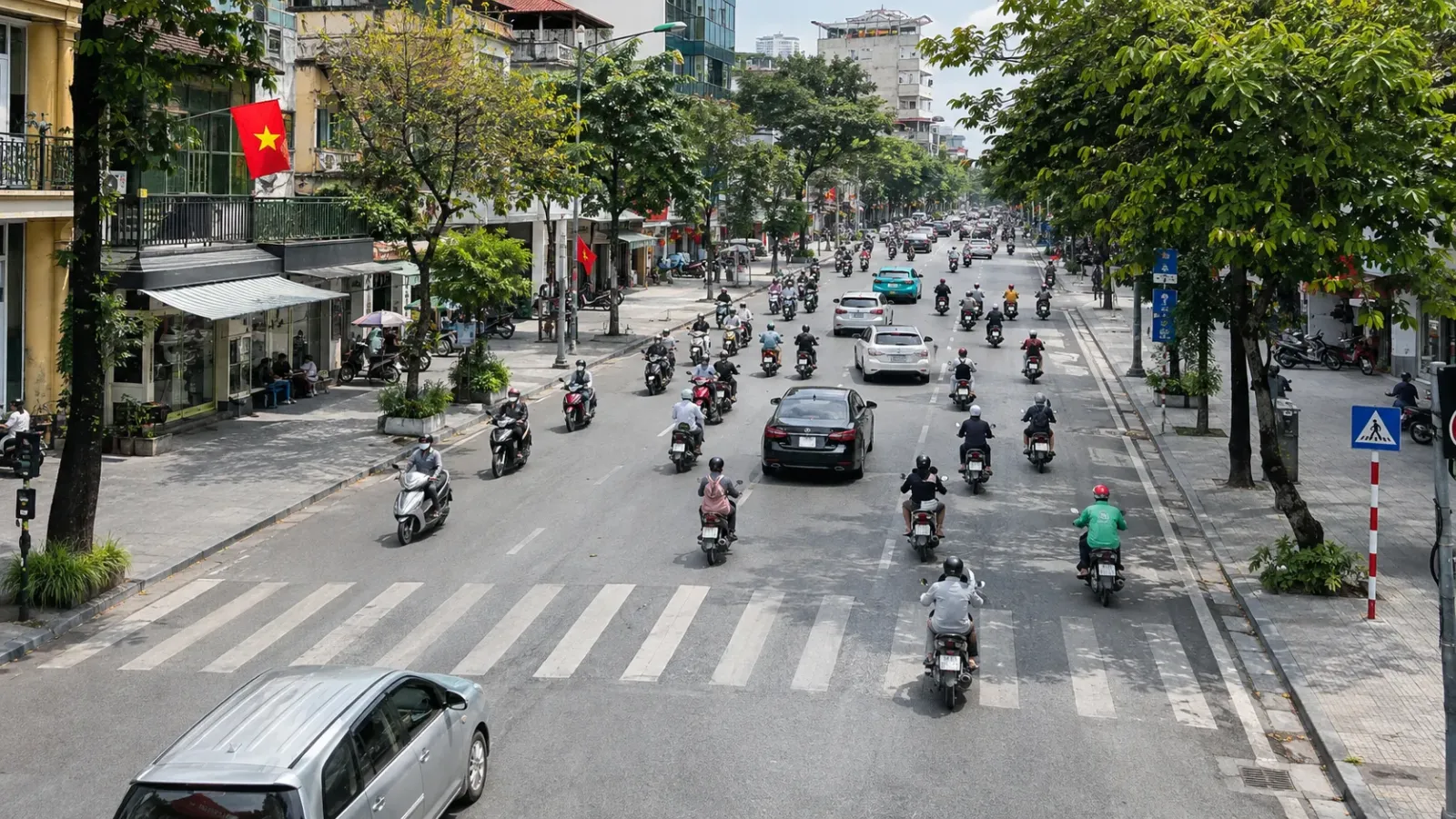
Busy city roads need extra care; use pedestrian crossings when available and never assume approaching riders will give way.
Health: Water, Food, Mosquitoes, Air and Insurance
Vaccines and Entry Health Rules
Routine entry rules do not currently require a vaccination certificate for most visitors, and health requirements can change. Review your routine vaccinations and ask a travel clinic about hepatitis A, typhoid and any itinerary-specific needs, including hepatitis B, rabies, Japanese encephalitis and malaria prevention (see the CDC's Vietnam travel-health page). The UK suggests seeking advice at least eight weeks before you travel; if you are leaving sooner, go as soon as you can.
Under Decree 165/2026/ND-CP, border health declarations may be activated for specific infectious-disease risks. The Vietnamese authorities clarified in July 2026 that a declaration is not routinely required from every traveller. Check official Ministry of Health instructions and your airline before departure. This is separate from the immigration pre-arrival information form; see our visa and entry requirements guide for that process.
Water, Food and Stomach Upsets
The US says tap water in Vietnam is not considered safe to drink anywhere. Use sealed bottled water from a recognised brand, ask restaurants specifically for it and boil water for at least a minute if bottled water is unavailable. The US also advises skipping ice and uncooked fruit and vegetables, and Canada's rule is to boil it, cook it, peel it or leave it. Those are cautious positions, and many visitors eat street food without trouble. Choose busy stalls where food is cooked in front of you, and wash or sanitise your hands before eating. A small kit with oral rehydration salts and basic stomach medicine is sensible.
Dengue and Mosquito Bites
Dengue is an infection travellers should know about. The CDC says it is endemic in Vietnam and that transmission occurs year-round, peaking in the summer rainy season. At a dengue summit on 6 November 2026, Vietnam's disease-prevention administration reported more than 170,600 cases and 21 deaths in the first ten months of 2026. Officials say recent outbreaks have become less predictable than the usual seasonal peak (see the CDC Yellow Book).
Use an effective insect repellent and protect yourself from bites throughout the day and night, wearing long, light clothing and choosing air-conditioned or screened rooms. If you develop a fever during or after your trip, seek medical advice and mention your travel history. If dengue is suspected (see CDC treatment guidance), avoid aspirin and ibuprofen unless a clinician specifically advises otherwise. Severe abdominal pain, persistent vomiting or bleeding need urgent medical assessment. If you are bitten or scratched by a mammal, wash the wound thoroughly and seek urgent medical advice about rabies prevention.
Air Quality
The US notes that pollution is a significant problem in Vietnam, especially in Hanoi. Hanoi often experiences poor air quality in winter, when weather conditions can trap pollution near the ground. If you are visiting between roughly November and February, check a live air-quality app each morning and adjust outdoor plans on bad days. People with asthma, heart or lung conditions, older adults, young children and pregnant women should talk to a doctor first. A well-fitted N95 or FFP2 mask helps on the worst days, while loose cloth masks give little protection against fine particles. For seasons and weather by region, see our best time to visit Vietnam guide.
Insurance, Hospitals and Medicines
Healthcare is better in the main cities and limited in rural areas. Canada names Hanoi, Ho Chi Minh City and Da Nang as the places with better care. The US says staff may speak little English, hospitals often ask for payment up front and cash is common, and most US health plans do not cover care abroad. Ambulance capability and response times vary, especially outside major cities. For a serious illness or injury, call 115 and follow the instructions of emergency or medical staff. A taxi or private car may be practical for a stable patient if a medical professional advises that it is safe. Do not move someone with a suspected serious head, neck or spinal injury unless they are in immediate danger or emergency first aid requires it.
That is why insurance matters. The US and Canada both strongly recommend cover that includes medical evacuation, and the UK says its embassy does not pay medical bills. Keep your policy number and the insurer's 24-hour number where you can find them, and tell the insurer early if you are referred to a hospital.
Bring prescription medicines in their original packaging, with a copy of your prescription and a doctor's letter. Vietnam has special import rules for controlled medicines, including some used for pain, anxiety, depression and insomnia, and the UK warns that limits apply. Whether a particular product is allowed depends on its active ingredient and quantity, so check with Vietnamese customs or the Vietnamese embassy in your country before you travel, and ask your doctor about any permit or declaration you may need. Do not stop prescribed treatment to fit a limit; arrange approval for larger quantities instead. The US says some medicines, including high-dose codeine, pseudoephedrine and strong sedatives, are restricted even with a prescription, and that counterfeit medicine is common, so buy from reputable pharmacies and avoid unlicensed herbal or spiritual healers.
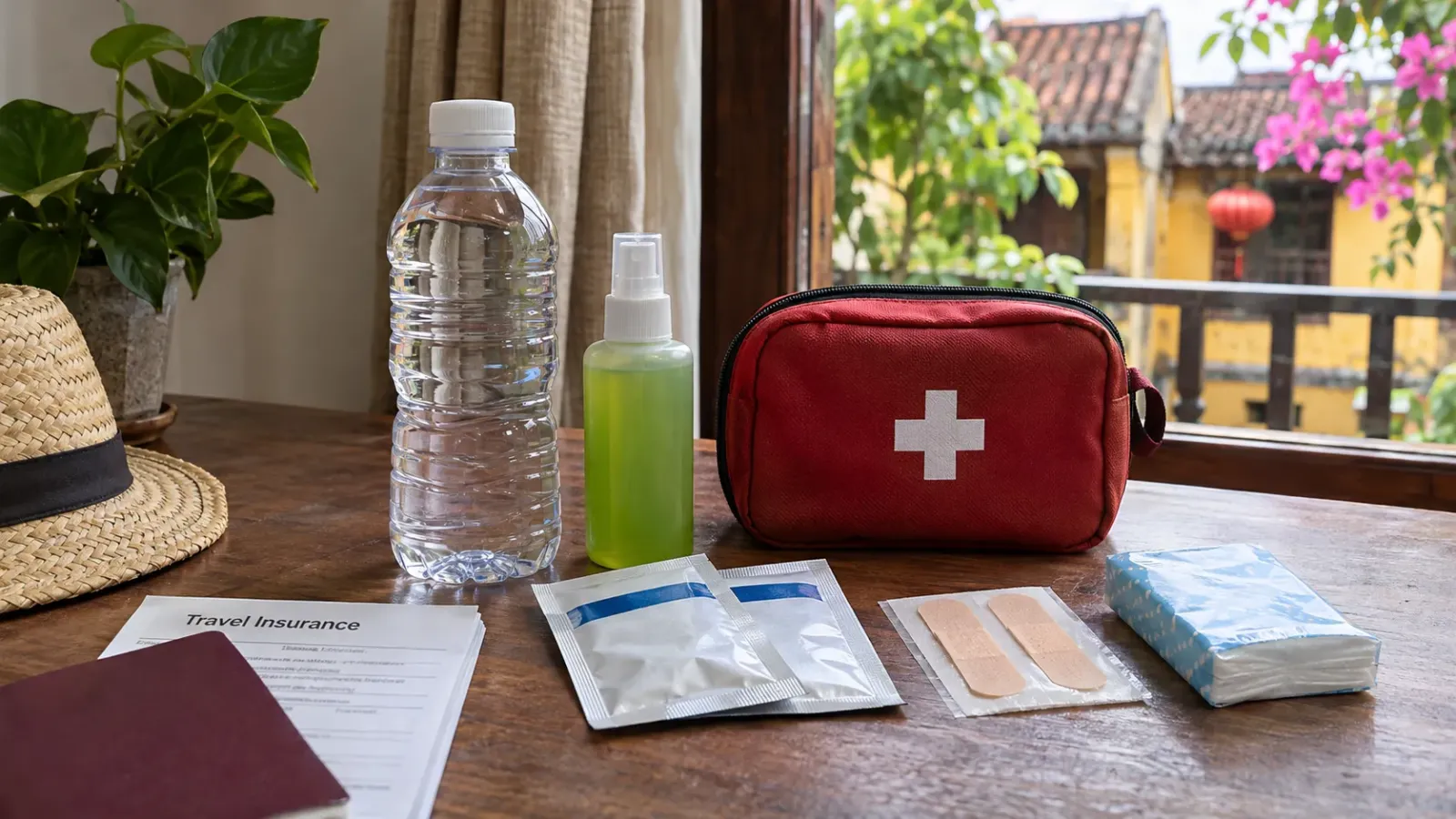
Safe drinking water, a basic travel health kit and insurance details are useful preparations.
Weather, Natural Hazards and Leftover Ordnance
Canada says typhoons usually occur between June and December, with flooding and landslides to follow, and that monsoon rains bring flooding, especially in central Vietnam in October and November. The UK puts the tropical storm season from May to November. Sea trips and river or cave tours depend on conditions and may be cancelled at short notice. Monitor local official forecasts, including the National Centre for Hydro-Meteorological Forecasting (Vietnamese-language site), and follow local warnings and any evacuation order. Avoid flooded roads and fast-moving water, and do not enter floodwater or travel through an area under an evacuation order. Our guide to central Vietnam's flood and typhoon season explains when it happens and how to plan around it.
Landmines and unexploded ordnance remain in parts of the country. The US says the highest risk is at construction sites, the risk is low in cities and tourist destinations, and the hazards are often unmarked. Never pick up or approach unknown metal objects in the ground, and stay on marked paths in former battle areas. Our DMZ day trip guide covers this for the Quang Tri area.
Local Laws That Catch Visitors Out
A few rules differ sharply from many visitors' home countries, and the penalties can be severe.
- Drugs: Penalties for drug offences, including cannabis and small amounts, are severe, and the UK says they can include long prison terms and, in some cases, the death penalty. Police can test for drugs, and a positive result can lead to charges even if you used drugs before arriving. Never carry anyone else's luggage or parcels.
- Vapes and heated tobacco: Vietnam bans the import, sale and use of e-cigarettes and heated tobacco products. Do not bring these products into the country or use them during your stay. See Canada's travel advice and Vietnam's government notice.
- Identification: Carry photo ID. The UK says a printed copy of your passport photo page and visa is accepted.
- Money: Change money only at official counters with a clear sign. Our money guide explains the 2026 penalties for using unlicensed counters.
- Photography: Canada says photographing military sites, border crossings and police checkpoints is prohibited, even where there is no sign.
- Protests: The UK and Canada advise avoiding protests and demonstrations, and following instructions from the authorities.
- Etiquette and protected wildlife: Dress modestly at religious sites, usually covering shoulders and knees, and do not buy protected wildlife or plants.
Emergency Contacts and What to Do If Something Goes Wrong
Vietnam has a nationwide emergency hotline, 112, for incidents, disasters and urgent requests for help. The dedicated numbers are 113 for police, 114 for fire and rescue, and 115 for medical emergencies. The UK notes that operators work in Vietnamese, so ask a hotel receptionist, a driver or a local passer-by to help if possible, but do not delay calling in an emergency.
| Number | Service | Use it for |
|---|---|---|
| 113 | Police | Crime, theft, traffic accidents |
| 114 | Fire and rescue | Fires and rescue from danger |
| 115 | Ambulance and medical emergencies | Serious injury or sudden illness |
| 112 | National emergency hotline | 24-hour national emergency and disaster hotline; operating since 23 August 2025 and able to refer cases to the police, fire or ambulance services |
| 111 | Child protection hotline | A child at risk or being abused |
Embassy and Consulate Contacts
- United States: US Embassy Hanoi, +84 24 3850 5000, per the State Department's Vietnam page.
- Canada: Embassy in Hanoi, +84 24 3734 5000, and Consulate General in Ho Chi Minh City, +84 28 3827 9899 (office numbers; the advisory also directs you to Canada's emergency centre for help at any time), per Canada's travel advice.
- United Kingdom: See the FCDO "getting help" page for the British Embassy Hanoi and Consulate General Ho Chi Minh City.
- Australia: See Smartraveller for the Australian Embassy in Hanoi and Consulate-General in Ho Chi Minh City.
- Other countries: Search for your own embassy's page before you travel and save its number.
If Something Goes Wrong
| Situation | First steps |
|---|---|
| Theft or a lost passport | Report it to the local police, ask for a written report and take a translator if you can. For a lost or stolen passport, contact your embassy; for a stolen bank card or phone, contact your bank or provider. Paper and digital passport copies speed everything up. |
| Traffic accident | Stop and help anyone injured. Call 115 if someone is hurt and 113 for the police, stay at the scene and photograph it if safe to do so, then call your insurer. Do not delay medical help. |
| Illness or injury | Call 115 for serious illness or injury and follow medical advice. Ask hotel staff or a local person to help communicate your location. Contact your insurer as soon as possible, without delaying emergency care. |
| Arrest or detention | Ask to contact your embassy. The US notes that notification of arrests and consular visits can be delayed, sometimes for weeks. |
| Typhoon or flood | Follow local authorities' instructions, move away from rivers and the shoreline and call 112 if you need rescue. |
| Scam or overcharging | Move to a safe place, avoid confrontation and keep receipts, screenshots or vehicle details if safe to do so. Ask your hotel or tour operator to help, and report serious cases to the police. |
Save These Before You Fly
- Your insurer's 24-hour number and policy number. The UK suggests sharing them with a friend or family member too.
- Your embassy's number from the list above.
- Your hotel's name and address in Vietnamese, ready to show a driver.
- Paper and digital copies of your passport photo page and visa.
- An offline map, and some small dong notes for emergencies.
- Your bank's emergency number, stored somewhere other than your phone.
Frequently Asked Questions
Is Vietnam safe for tourists right now?
Yes, for most visitors. The US rates Vietnam Level 1, "exercise normal precautions", and Canada and Australia also advise normal precautions. The main risks are petty theft, scams, traffic and health basics such as tap water and mosquitoes. Check your own government's advice shortly before you fly.
Is Vietnam safe for solo female travellers?
Many women travel independently in Vietnam, but no destination is risk-free. Alongside theft and traffic, the UK travel advice reports harassment, sexual assault and drink spiking, including cases linked to unlicensed taxi drivers. Use a reputable, pre-booked ride, keep drinks in sight and share your plans with someone you trust. If you are assaulted or feel unsafe, get to a safe place, seek medical help if needed and contact your embassy or local police for support. The US also warns about dating-app risks, including robbery and assault.
Is it safe to walk around at night?
Busy, well-lit areas are often a reasonable choice for an evening out, but conditions vary. The main risks are bag and phone snatching from passing motorbikes, uneven pavements and traffic. Avoid isolated streets, keep your bag on the side away from the road and use a reputable pre-booked ride if you feel unsafe.
Is Grab safe in Vietnam?
Official advice favours metered taxis from larger firms and Grab. One risk is people pretending to be your driver, so match the plate and driver name to the app before you get in and do not accept a ride from anyone who approaches you.
Can tourists rent a motorbike in Vietnam?
Rental shops are easy to find, but renting a vehicle does not establish your right to drive it. You need a licence recognised in Vietnam for the vehicle category and appropriate insurance. If in doubt, do not ride.
Do I need vaccines for Vietnam?
Routine entry rules do not currently require a vaccination certificate for most visitors, but requirements can change. Review your routine vaccinations and ask a travel clinic about hepatitis A, typhoid and any itinerary-specific needs. Seek advice well before departure, ideally at least eight weeks ahead, or as soon as you can if you leave sooner.
What is the emergency number in Vietnam?
Vietnam has a nationwide emergency hotline, 112, for incidents, disasters and urgent requests for help. The dedicated numbers are 113 for police, 114 for fire and rescue, and 115 for medical emergencies. Ask a Vietnamese speaker to help if possible, but do not delay calling in an emergency.
Is it safe to use ATMs and cards in Vietnam?
Generally yes, but Canada warns about card and ATM fraud. Use machines inside banks or well-lit, busy places, shield the keypad and keep a second card in a different place. Our money guide has more.
Plan Your Trip
With the main risks covered, the rest of the planning gets easier. Check entry rules in our visa and entry requirements guide, choose your dates with the best time to visit Vietnam and see how to connect the regions in our two-week Vietnam itinerary. If you would rather have a route built around your own plans, start with a customised tour, and for any question about a booking, contact our team.
Related articles

What to Eat in Hue: Royal Dishes, Street Food and Where to Try Them
Money in Vietnam 2026–27: Cash, Cards, QR Payments, ATMs and Tipping
Hue Imperial City & Royal Tombs 2026–27: Tickets, Combos and Which Tombs to Choose
Vietnam Visa & Entry Requirements 2026–27: Visa-Free Entry, E-Visas and What to Expect on Arrival

Vietnam’s 2025 Province Mergers: Old and New Place Names and What They Mean for Your Trip

Water Puppet Shows in Hanoi vs Saigon: Where to Watch and How to Choose
Best Time to Visit Vietnam: A Month-by-Month Guide to the North, Centre and South